
If you are researching residential treatment options for chronic pain, you already know that not all programs are equal. The language of wellness retreats has become so broad — and so frequently misused — that distinguishing genuine clinical care from an expensive spa experience requires asking the right questions.
This guide is designed to help you do exactly that.
Question 1: Is the program clinically accredited?
Accreditation is the most reliable external indicator of clinical quality. The gold standard for healthcare organizations in the United States is Joint Commission accreditation — a rigorous designation that requires programs to meet ongoing standards for patient safety, care quality, and ethical practice.
Not all residential wellness programs hold this designation. Many do not pursue it. Before enrolling in any program, confirm whether it is Joint Commission accredited and licensed by its state's department of health or professional licensure.
The Bridge Recovery Center is Joint Commission accredited and licensed as a day treatment facility by the Utah Department of Professional Licensure.
Question 2: Does the program treat chronic pain and mental health together?
This is arguably the most important clinical question you can ask. Decades of research have established that chronic pain — particularly fibromyalgia, CRPS, and widespread musculoskeletal pain — has significant emotional and neurological components. Programs that treat physical pain in isolation, without addressing trauma, depression, anxiety, or nervous system dysregulation, consistently produce incomplete results.
Ask any program you are considering: do your physicians and therapists work from a unified care plan? Is trauma-informed care integrated into the physical treatment? What modalities do you use to address the nervous system directly?
Question 3: How large are the groups?
Group size matters more than most people realize. In a program of 40 or 50 guests, individualized care becomes logistically impossible. Staff-to-guest ratios drop. Care plans become generalized. The therapeutic relationships that are essential to trauma and pain treatment become difficult to form.
At The Bridge, we limit each session to a maximum of 18 guests. This is a deliberate clinical decision — not a capacity constraint. Every member of our team knows every guest by name, history, and goal.
Question 4: What does a typical day actually include?
A credible residential program should be able to give you a detailed answer to this question. Vague language about "holistic healing" and "transformative experiences" without specific clinical modalities is a warning sign.
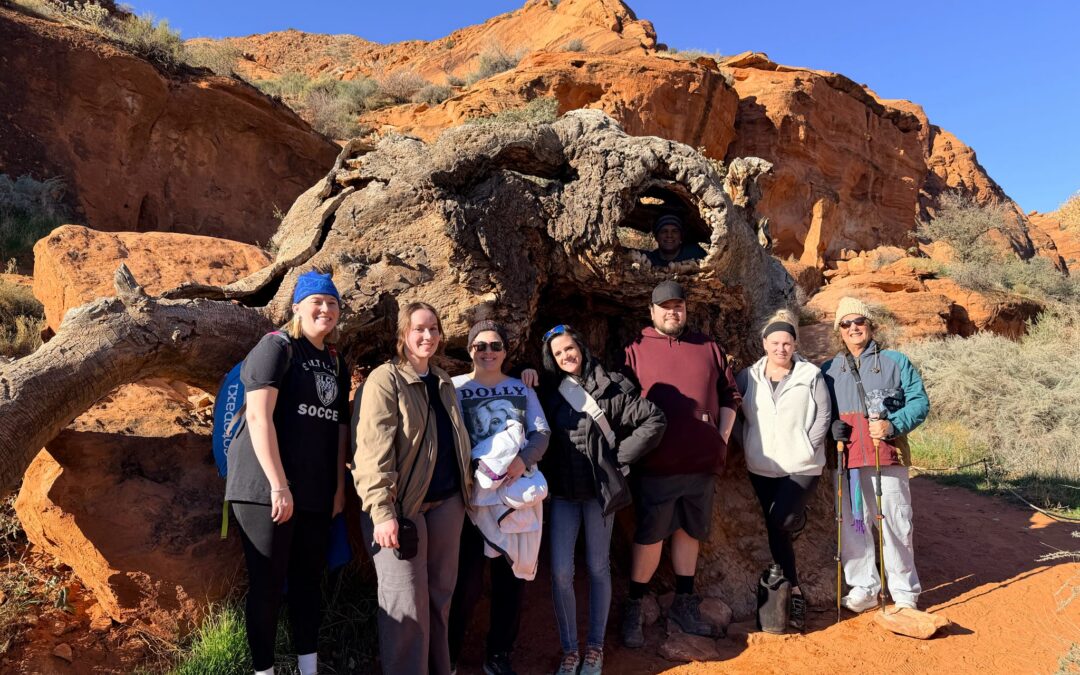
At The Bridge, a typical day includes individual therapy, group therapy, osteopathic medical care, massage or bodywork, acupuncture, personal training, mindfulness practice, guided hikes, and evening educational sessions. Every element is clinically intentional and coordinated by the care team.
Question 5: Does insurance cover it?
Many people assume that residential wellness programs are entirely out of pocket. For legitimate, accredited clinical programs treating diagnosed conditions, this is often not the case. Most major insurance plans cover treatment at programs like The Bridge — and a reputable admissions team will verify your benefits before you commit to anything.
Be cautious of programs that cannot or will not verify your insurance benefits in advance.
What separates The Bridge from other programs
The Bridge Recovery Center has been operating in Southern Utah since 2003 — over 21 years. More than 3,500 guests have completed our program. Ninety-eight percent say they would recommend it.
We specialize in the conditions that are hardest to treat: fibromyalgia, CRPS, treatment-resistant depression, complex trauma, and chronic pain that has not responded to conventional care. Our setting — the red rock desert outside Washington, Utah — is not incidental. The natural environment is a clinical tool, and our guests consistently identify it as one of the most restorative elements of their experience.
If you are ready to ask these questions and want straightforward answers, we invite you to call us.