
Anxiety & stress: the retreat program
How individual and group work, body-based practices and daily routines fit within a three-week health retreat, with questions specific to anxiety and stress.
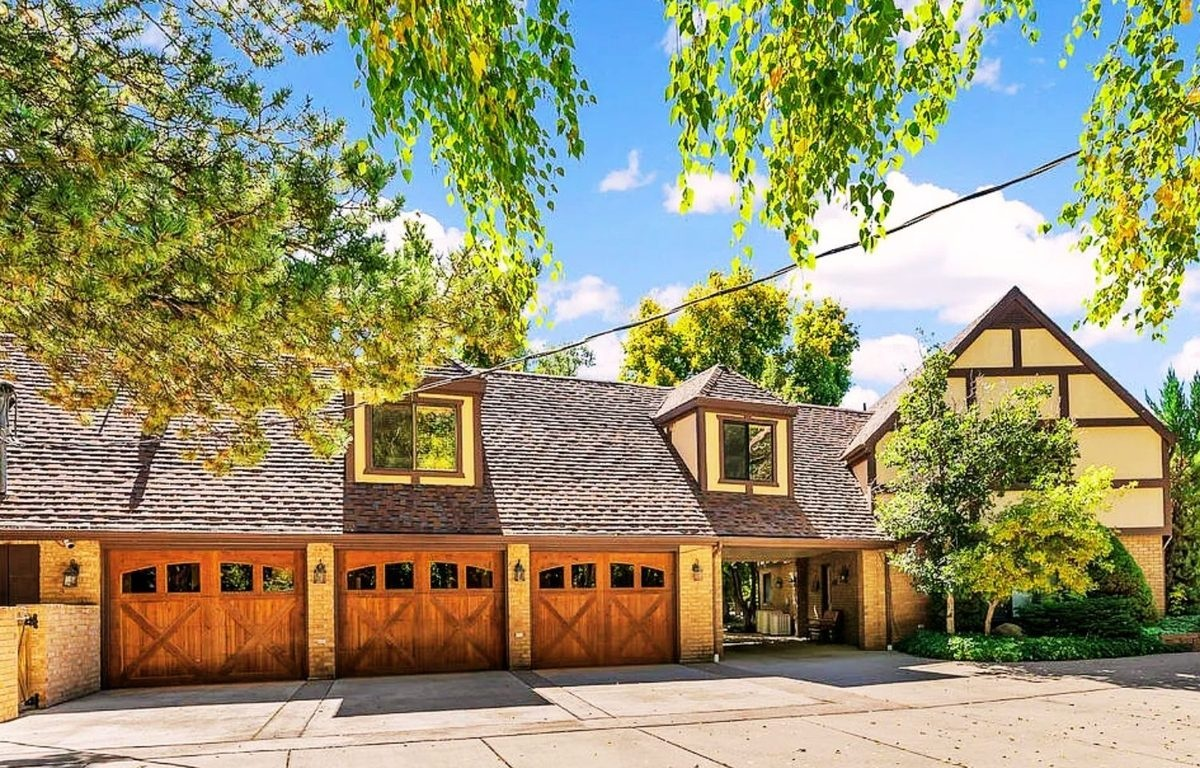
The Bridge is an all-inclusive 21-day health retreat in New Harmony, Southern Utah. Accommodation and meals share the setting with individual and group work, bodywork, movement and time outdoors.
General retreat information, not individualized medical advice or an emergency service. Outcomes, insurance coverage and financing are not guaranteed.
Page topics
The three-week format
Racing thoughts, persistent tension, panic and feeling constantly on alert are experiences described in the anxiety information.
Previous therapy, medication, breathing exercises or meditation may be part of a person’s experience when considering a retreat. The retreat offers a different daily setting from home and work.
A different daily context
The three-week format brings several types of work and daily practices into one setting, with time away from the usual home and work routine.
- Time away from the usual work and household routine
- Body-based and mindfulness practices
- Individual and group work
- Movement, meals and rest as parts of the daily setting
Understanding the approach
The program brings personal concerns, daily routines and physical comfort into the same conversation. Past experiences, fear of another panic attack and ongoing stress can be topics within that work.
Areas of work during the stay
The following areas of work and preparation span a stay, rather than a fixed weekly schedule.
Getting oriented
Getting familiar with the setting includes daily routines, rest and shared activities.
- Breathwork as a retreat practice
- Sleep and rest routines
- Awareness of bodily sensations
- The comfort of the immediate environment
Personal work & daily practice
Individual and group work can involve anxious thought patterns, control and perfectionism alongside body-based practices.
- Individual work on personal concerns
- Thought patterns and cognitive tools as topics
- Body-based practices
- Group topics including catastrophic thinking, control and perfectionism
- Bodywork
Preparing for home
Returning home brings familiar situations, relationships, ongoing care and everyday routines back into focus.
- Applying everyday practices in familiar situations
- Confidence and self-management as personal goals
- A practical daily routine for home
- Relationship patterns and communication
- Connections to ongoing support
The all-inclusive setting
The all-inclusive retreat combines accommodation, meals, activities and time for rest.
- Accommodation in Southern Utah
- Meals
- Individual work
- Body-based practices
- Group work
- Massage and bodywork
- Guided outdoor activities
- Yoga, meditation and breathwork
- Pool, hot tub and shared spaces
Practical questions & next steps
Anxiety topics
The anxiety information covers the following topics. They describe the range of the information, not confirmation of suitability for an individual guest.
- Generalized anxiety disorder (GAD)
- Panic disorder
- Social anxiety
- Health anxiety
- Agoraphobia
- Anxiety alongside depression
- Anxiety alongside trauma / PTSD
- Anxiety that has not responded to previous care
Participation & support
Travel, joining shared activities and time away from home can require practical support. Consider the effect of anxiety on everyday activities rather than treating this information as an admission checklist.
- Avoiding situations or cancelling plans
- Frequent panic and its effect on daily life
- Previous therapy and medication experience
- Persistent worry and racing thoughts
- Physical concerns as well as emotional ones
- Trauma or PTSD as part of a person’s experience
- The commitment of three weeks away
Physical symptoms should not be assumed to be anxiety on the basis of a retreat page. The retreat is not an emergency service, and a general description does not establish crisis care or on-site prescribing support.
The Southern Utah setting
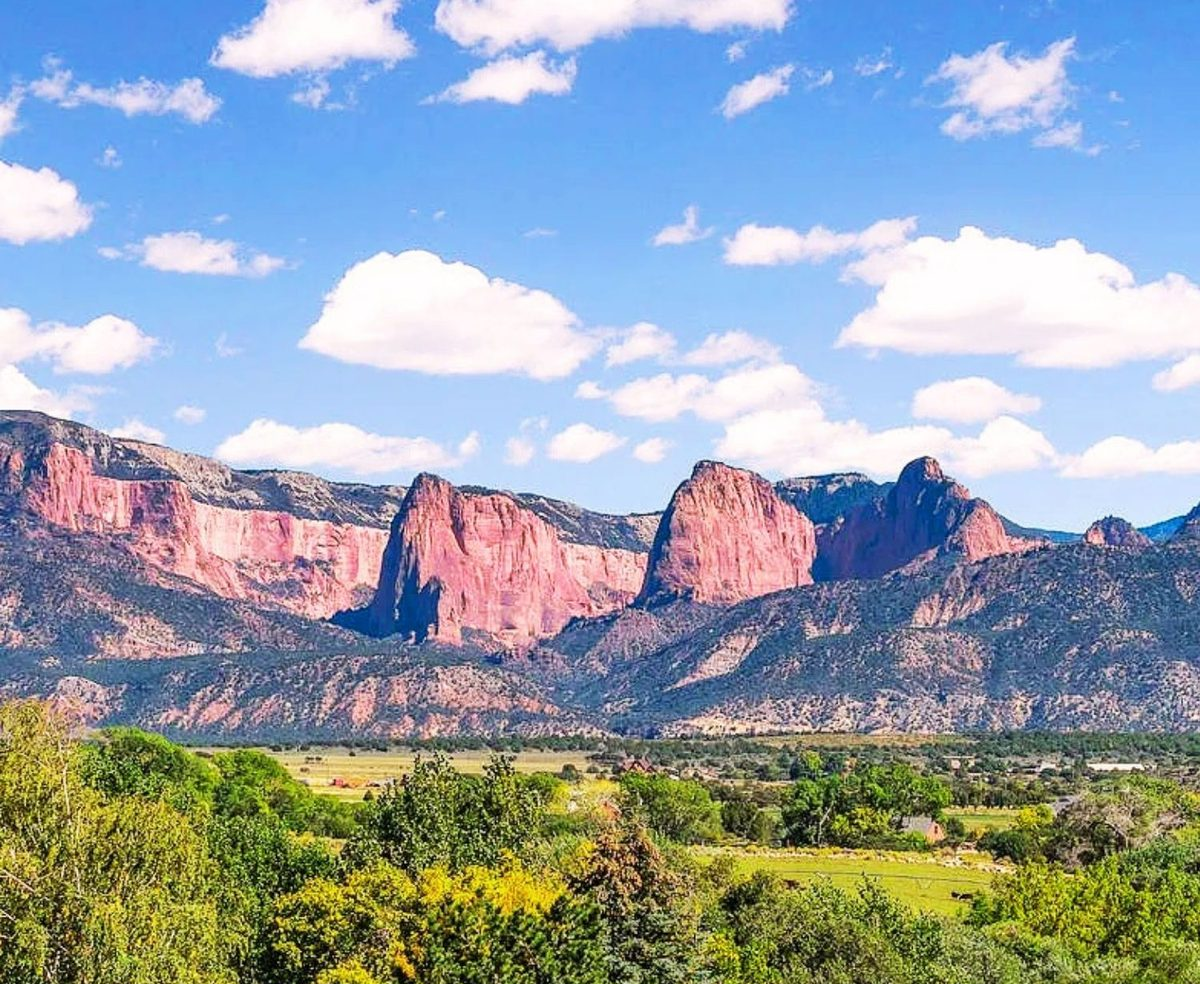
The retreat is in New Harmony, Southern Utah. Its setting offers a different everyday context and opportunities for rest and outdoor time.
Travel & getting here
Las Vegas, Salt Lake City and St. George Regional airports are named in the travel information. Journey times, flight choices, transfers and arrival arrangements depend on the current itinerary.
- Las Vegas (LAS)
- Salt Lake City (SLC)
- St. George Regional (SGU)
When travel itself is a concern, planning includes the journey, arrival and the support needed along the way.
Packing
Packing topics include comfortable clothing, personal toiletries and a journal. Medication supplies and any preparation involving prescribed medication belong in a plan with the prescribing clinician.
Insurance & cost
Cost and insurance are separate practical questions. Insurance acceptance, coverage and reimbursement are not assured; individual costs and plan terms need separate consideration.
How does the format differ from regular therapy?
The retreat combines accommodation and meals with therapeutic work, activities and rest over 21 days. Regular therapy visits take place within the usual home and work routine.
A different format does not establish superior effectiveness or a particular number of daily clinical hours.
What about panic attacks and severe anxiety?
Panic, generalized anxiety and anxiety that has not responded to previous care are among the topics covered. The retreat description combines individual and group work with body-based practices and daily routines.
It does not predict whether panic will improve or establish that the setting can provide the level of clinical support a particular person needs.
Do I have to stop my anxiety medication?
This page is not an instruction to stop, reduce or change prescribed medication. Decisions about medication remain with the prescribing clinician.
A general retreat description is not an individual medication plan. Continuity of existing care matters during travel and the stay.
What if anxiety makes travel difficult?
Consider the journey, arrival, participation and the support needed before making travel plans. Travel anxiety and agoraphobia are practical considerations, not proof of suitability for a stay.
No assisted-travel service, immediate clinical support or reduction in symptoms within days is promised here.
Does insurance cover an anxiety retreat?
Coverage depends on the individual plan and the services involved. Acceptance, eligibility and reimbursement are not assured, including when anxiety is severe or treatment-resistant.
The insurance inquiry information provides the next contact step for plan-specific questions.
What anxiety topics are included?
The information covers generalized anxiety disorder, panic, social anxiety, health anxiety, agoraphobia, anxiety alongside depression or trauma/PTSD, and anxiety that has not responded to previous care.
That range describes the information, not an assertion that the retreat treats every anxiety disorder or that impact on daily life establishes eligibility.
What happens after the stay?
Preparing for home involves daily practices, thought patterns, relationships, ongoing care and support resources. Medication decisions stay with the prescriber; safety planning requires appropriate clinical support.
A guaranteed anxiety-management plan, alumni service or particular follow-up arrangement is not promised. Those details need to be established before relying on them.
Anxiety & nervous-system guides
Further reading covers anxiety, the nervous system and different approaches. These links are general reading, not an exercise plan, a medication recommendation or endorsement of an article’s clinical claims.
A conversation about fit
Discuss your current care, travel concerns, participation needs and practical questions with admissions before deciding whether a three-week stay is appropriate.