

Skip to content

Surgery, injury & plans for time away

A planned operation, recovery after surgery and an older injury are different starting points. The questions here keep timing, follow-up and any separate consultation distinct from a 21-day retreat stay.

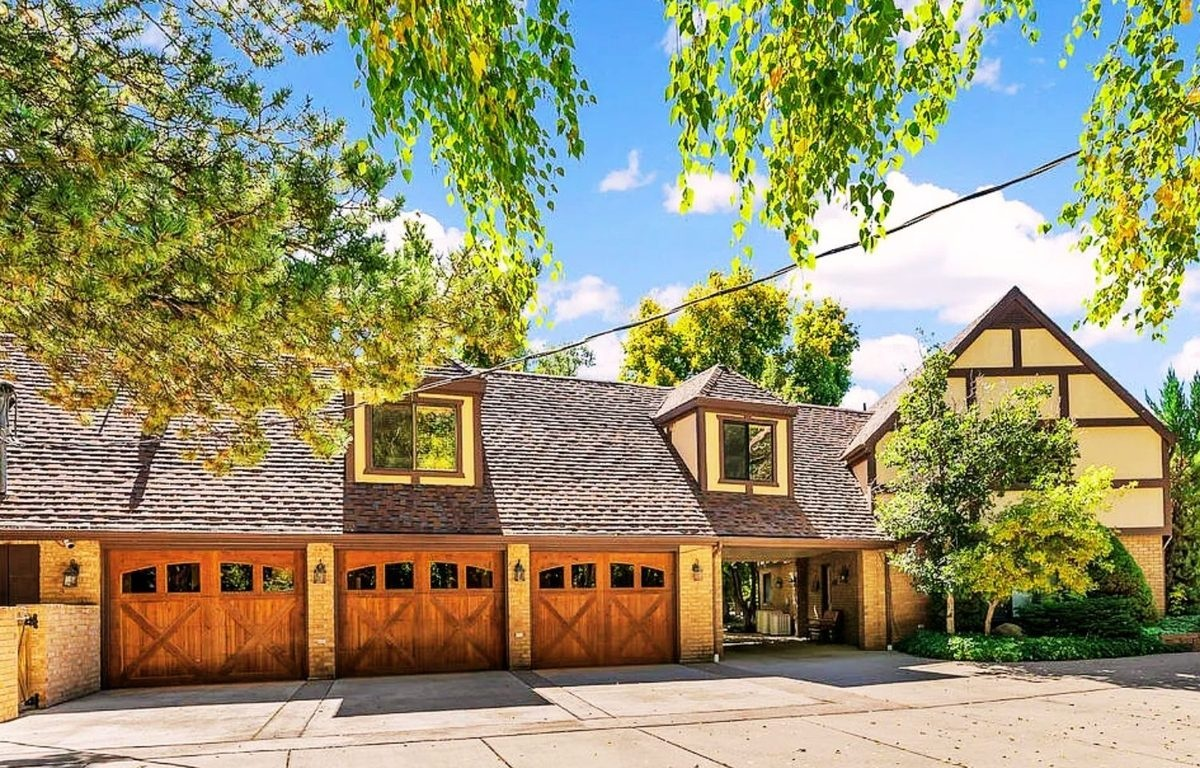
Deer Haven House facade with garage doors, driveway, roof and surrounding trees.
Deer Haven House accommodation exterior.

The retreat is not the procedure

What a stay means

The Bridge is an all-inclusive 21-day health retreat in New Harmony, Southern Utah. It is not rehab, detox or residential treatment.

Separate from retreat tuition

A stem-cell or peptide consultation is optional, costs extra and is not included in retreat tuition. A consultation and a decision about a procedure are separate.

Start with the stage of your existing care

Before an operation

If an operation is planned, which questions about that procedure, its timing and follow-up remain open? The planned operation has its own decision process, separate from considering a retreat.

After an operation

If surgery has already taken place, what follow-up appointments and care arrangements are already in place, and what would time away mean for them? The operation and the existing plan remain the starting point.

An injury or a longer history of physical wear

For a sports or soft-tissue injury, or wear associated with work or athletics, what has already been assessed and what remains difficult? These are distinct histories, not a single recovery category.

  • Inflammation and healing: what questions remain for the clinician responsible for the operation or injury?
  • Strength and movement: which everyday tasks are difficult and what existing guidance needs clarification?
  • Sleep, energy and meals: which day-to-day needs would matter during time away?
Southern Utah red cliffs above a green valley under a blue sky with clouds.
Southern Utah landscape from the Creek House source photograph.

A separate proposal needs separate answers

The scope, responsible practitioner, location, evidence, uncertainties, alternatives and follow-up belong to a specific proposal. A retreat description does not establish those arrangements.

The 21-day duration describes the stay, not a predicted recovery period. Accommodation and the daily schedule are practical planning subjects, not a replacement for the follow-up already arranged.

Questions about recovery, timing and responsibility

What should I ask about recovery expectations?

Questions for the clinician responsible for your care include how recovery would be assessed, what follow-up is planned and what uncertainty remains. A possible consultation does not establish that recovery will be faster or more complete.

Which part of my surgery or injury history needs explaining?

An orthopedic or other operation, a sports or soft-tissue injury, and wear associated with work or athletics each have their own history. The useful starting point is the assessment already made and the questions that remain.

What should I clarify before choosing dates?

Timing questions include the stage of an operation or injury, existing appointments and the clinician’s assessment of travel or time away. Dates for a proposed procedure and dates for a retreat stay are separate arrangements.

Who would be responsible for a proposed procedure?

The practitioner’s identity, qualifications, role, location and follow-up responsibilities need to be clear for the particular proposal. How would those responsibilities relate to the follow-up already arranged?

What would make a consultation discussion specific?

The operation or injury, previous assessments, existing follow-up and questions you want answered give the discussion a defined subject. The discussion itself is separate from agreeing to a procedure or booking a stay.

Plan the stay without setting a recovery deadline

A 21-day stay is a commitment of time away. Admissions information is a starting point for practical questions about dates, accommodation and what is included before a booking decision.