
Source byline: Dr. Daren Brooks, D.O.
- What Does a Nervous System Friendly Lifestyle Actually Mean?
- Sleep: The Non-Negotiable Foundation
- Movement: Dose-Dependent Nervous System Medicine
- Nutrition: Feeding Your Nervous System
- Stress Recovery Protocols: Processing, Not Suppressing
- Social Connection and Nervous System Safety
- Your Physical Environment as Nervous System Medicine
- How to Actually Implement a Nervous System Friendly Lifestyle
- Frequently Asked Questions
Key Takeaways
- A nervous system friendly lifestyle is a daily architecture of choices that signal safety to your autonomic nervous system, enabling genuine healing.
- Sleep is the single highest-leverage intervention — consistent timing and darkness before bed shift the nervous system toward repair mode.
- Low-intensity movement in nature activates the parasympathetic nervous system; high-intensity pushing through pain keeps you in fight-or-flight.
- Anti-inflammatory nutrition (omega-3s, magnesium, B vitamins, colorful plants) directly reduces neuroinflammation driving chronic symptoms.
- Social connection and co-regulation are biological needs, not luxuries — the nervous system heals faster in the presence of safe others.
What Does a Nervous System Friendly Lifestyle Actually Mean?
For the past two decades, the medical community has increasingly recognized that the nervous system is not just the body's communication network — it is the master regulator of health. A nervous system friendly lifestyle is one deliberately designed to keep your autonomic nervous system in a state of balance, rather than chronic activation. It is not a single technique or supplement. It is a daily architecture of choices — sleep, movement, food, social connection, light exposure, and stress recovery — that tell your nervous system it is safe to heal.
Understanding how chronic stress dismantles your health is the foundation of everything. But knowing is not enough. You need a practical, daily framework — which is exactly what this guide provides.
Sleep: The Non-Negotiable Foundation
Sleep is when the nervous system repairs, consolidates memory, regulates hormones, and resets the immune system. Research consistently shows that even one night of poor sleep increases inflammatory cytokines, elevates cortisol, and shifts the autonomic nervous system toward sympathetic dominance — the fight-or-flight state that drives chronic illness.
A nervous system friendly lifestyle treats sleep as medicine, not a luxury. That means:
- Consistent sleep and wake times — even on weekends. Your circadian rhythm is the master clock for nervous system regulation.
- Darkness before bed — blue light from screens suppresses melatonin, the signal that shifts your system into rest-and-repair mode. Begin dimming lights 90 minutes before sleep.
- Cool bedroom temperature — the body needs to drop core temperature to enter deep sleep. 65–68°F is optimal.
- A wind-down ritual — the nervous system cannot switch from high activation to sleep without a transition. A 20–30 minute routine (gentle stretching, reading, warm bath) signals the shift.
- Addressing unresolved trauma — many people with sleep disorders have dysregulated nervous systems due to unprocessed trauma. Trauma-informed approaches often resolve chronic insomnia when sleep hygiene alone fails.
People with fibromyalgia, chronic fatigue syndrome, and CRPS frequently report that poor sleep amplifies their pain levels the next day. This is not coincidental — sleep deprivation lowers the pain threshold by sensitizing central pain pathways. Learn more about this in our guide to nervous system fatigue symptoms.
Movement: Dose-Dependent Nervous System Medicine
Exercise is one of the most powerful nervous system regulators available — but the dose matters enormously for people in chronic illness. Pushing through pain or exhaustion when the nervous system is already overwhelmed can cause flares. The goal is nervous system-appropriate movement that stimulates vagal tone and neuroplasticity without triggering the threat response.
Research on exercise and autonomic nervous system regulation shows that low-intensity aerobic activity increases heart rate variability (HRV) — a key marker of vagal tone and nervous system resilience. In practical terms:
- Walk daily, especially in nature. Even 20–30 minutes of gentle walking in green spaces activates the parasympathetic nervous system through visual, auditory, and proprioceptive inputs that signal safety.
- Yoga nidra and restorative yoga — these activate the parasympathetic system directly, rather than simply not activating the sympathetic system.
- Gentle aquatic therapy — water pressure provides natural proprioceptive input that calms a dysregulated nervous system, particularly beneficial for fibromyalgia and CRPS patients.
- Somatic movement practices — trauma-informed movement sequences that focus on sensation rather than performance. Learn more about somatic exercises for trauma release.
💡 Clinical Insight The "no pain, no gain" mentality is contraindicated for people with nervous system dysregulation. Pushing through pain signals threat to the nervous system, reinforcing the sympathetic state you are trying to exit. Begin with movement that feels genuinely good, and incrementally expand from there.
Nutrition: Feeding Your Nervous System
The nervous system runs on specific nutrients — and a diet high in processed foods, sugar, and inflammatory oils is essentially starving the very system you need to heal. A nervous system friendly lifestyle includes a nutritional framework designed to reduce neuroinflammation, support neurotransmitter production, and stabilize blood sugar.
Key nutritional priorities:
- Omega-3 fatty acids — EPA and DHA directly reduce neuroinflammation and support myelin sheath integrity. Sources include wild salmon, sardines, mackerel, and high-quality fish oil supplements.
- Magnesium — this mineral plays a critical role in over 300 enzymatic reactions, including those that regulate the stress response. Deficiency is common in people with chronic pain and anxiety. Sources: leafy greens, nuts, seeds, dark chocolate.
- B vitamins — particularly B12, B6, and folate, which are required for neurotransmitter synthesis and myelin production.
- Anti-inflammatory foods — colorful vegetables, berries, turmeric, ginger, and green tea reduce the systemic inflammation that sensitizes the nervous system.
- Elimination of gut disruptors — the gut-brain axis means that gut health directly impacts nervous system regulation. Reducing gluten (for sensitive individuals), processed sugar, and alcohol can dramatically improve nervous system symptoms.
For a comprehensive guide, see our article on the best foods for nervous system health. For those with CFS, our chronic fatigue syndrome diet plan provides condition-specific nutritional strategies.
Stress Recovery Protocols: Processing, Not Suppressing
The conventional advice for stress is to "manage" it — meditation apps, bubble baths, time off. These tools have value, but they do not address the underlying problem for people with chronic nervous system dysregulation: the system is no longer able to complete its own stress-recovery cycle. Stress activates the body; recovery should de-activate it. But in chronically dysregulated systems, that second half of the cycle is broken.
A nervous system friendly lifestyle includes active stress recovery practices:
- Physiological sigh — a double inhale through the nose followed by a slow exhale through the mouth. Research from Stanford shows this is the fastest way to downregulate the sympathetic nervous system in real time. Learn more about breathing exercises for nervous system calm.
- Cold water exposure — a cold shower or face immersion in cold water activates the dive reflex, rapidly slowing heart rate via vagal activation. Start with 30 seconds at the end of your normal shower.
- Structured rest — lying down for 20 minutes of deliberate non-sleep deep rest (NSDR) after activity restores nervous system resources more effectively than caffeine or pushing through.
- Expressive writing — processing emotional stress through writing (journaling, letters you don't send) has been shown to reduce cortisol levels and improve immune markers.
- Boundary setting — a nervous system friendly lifestyle includes social and professional boundaries that prevent the constant accumulation of stress without recovery time.
Social Connection and Nervous System Safety
Polyvagal theory, developed by Dr. Stephen Porges, reveals that the nervous system uses social cues — faces, voices, touch — to determine whether the environment is safe. When we feel genuinely connected to others, the ventral vagal circuit activates, creating the physiological state of safety in which healing is possible.
Isolation, by contrast, signals threat. It is no coincidence that chronic illness correlates strongly with social isolation, and that social connection accelerates recovery. A nervous system friendly lifestyle deliberately cultivates:
- Face-to-face interaction — text and social media do not activate the same neurological circuits as genuine face-to-face connection. Prioritize in-person time with people who make you feel genuinely safe.
- Physical touch — therapeutic touch, hugging, and hand-holding activate the oxytocin system, which directly counteracts cortisol and shifts the nervous system toward calm.
- Reducing toxic relationships — chronically dysregulated or hostile relationships keep the nervous system in a state of alert. A nervous system friendly lifestyle honestly assesses which relationships are depleting rather than restoring.
Understanding polyvagal theory in depth can transform how you approach your relationships and social environment as tools for healing.

Daily guided hikes in Southern Utah's canyon country provide both movement and social co-regulation — core elements of a nervous system friendly lifestyle.
Your Physical Environment as Nervous System Medicine
The nervous system is constantly scanning the environment — light, sound, air quality, visual complexity, electromagnetic fields — and making safety assessments. Most modern environments are neurologically hostile: artificial lighting that disrupts circadian rhythms, constant low-level noise, indoor air loaded with volatile organic compounds, and screens delivering a relentless stream of threat-signaling content.
A nervous system friendly lifestyle includes environmental modification:
- Natural light exposure — morning sunlight within 30 minutes of waking anchors the circadian rhythm and sets up the cortisol curve for the day. Aim for 10–20 minutes of outdoor morning light exposure.
- Reduced noise pollution — chronic low-level noise activates the startle reflex and keeps cortisol elevated. Sound-proofing, noise-canceling headphones, and deliberate quiet time are therapeutic tools.
- Reduced digital stimulation — news, social media, and entertainment are engineered to trigger the threat-detection centers of the brain. A nervous system friendly lifestyle includes intentional digital boundaries.
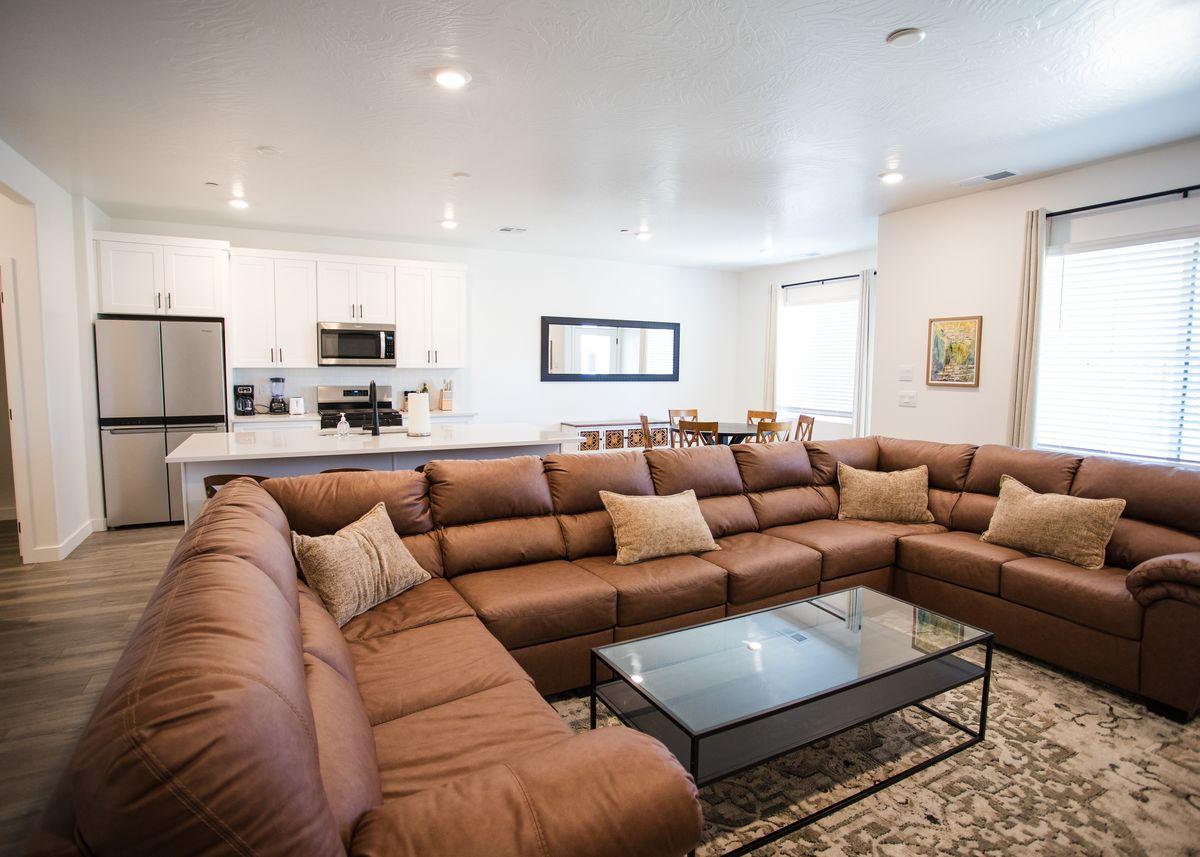
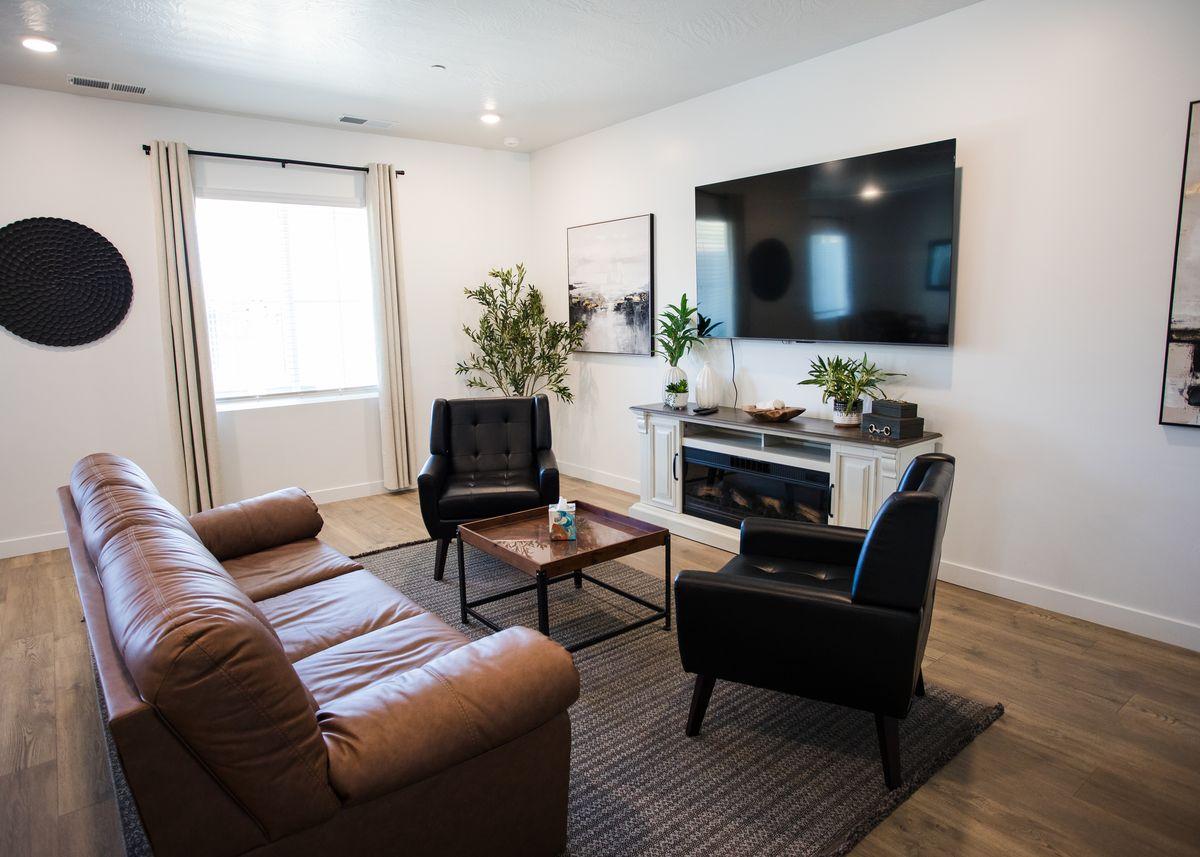
- Order and aesthetics — cluttered, chaotic environments create low-level nervous system activation. Creating calm, organized, visually pleasant spaces in your home and workplace matters more than most people realize.

How to Actually Implement a Nervous System Friendly Lifestyle
The challenge is not understanding what to do — most people struggling with chronic illness have read extensively about healthy lifestyle choices. The challenge is implementation when the nervous system is dysregulated. This is the fundamental paradox: the habits that would help most require the physiological resources that chronic dysregulation has depleted.
For those implementing changes at home, the key principles are:
- Start with sleep and morning light — these have the highest leverage and lowest effort cost. Consistent sleep timing and morning light exposure will begin shifting your nervous system baseline within weeks.
- One change at a time — overwhelming a dysregulated nervous system with a complete lifestyle overhaul creates more stress. Choose one anchor habit, stabilize it over 2–3 weeks, then add the next.
- Track your nervous system state, not outcomes — metrics like heart rate variability, resting heart rate trends, sleep quality scores, and pain diary entries give you feedback that most people ignore.
- Address unresolved trauma — lifestyle changes are profoundly more effective when combined with trauma processing. The nervous system cannot fully regulate while carrying unprocessed traumatic material. Trauma-informed nervous system healing explains how these two work together.
If you are living with conditions like fibromyalgia, chronic fatigue syndrome, depression, CRPS, lupus, or complex trauma, a nervous system friendly lifestyle is not supplementary to your treatment — it is the treatment substrate that makes all other interventions possible.
Frequently Asked Questions
What is a nervous system friendly lifestyle?
A nervous system friendly lifestyle is a daily way of living that consistently signals safety to the autonomic nervous system, allowing it to shift from chronic fight-or-flight activation into the parasympathetic rest-and-repair state. It includes intentional sleep habits, appropriate movement, anti-inflammatory nutrition, stress recovery practices, social connection, and environmental modifications — all chosen specifically to reduce nervous system threat load and promote regulation.
How long does it take to see results from a nervous system friendly lifestyle?
Most people notice initial improvements in sleep quality, energy levels, and anxiety within 2–4 weeks of consistent implementation. Chronic pain and autoimmune symptoms typically require 8–12 weeks of sustained lifestyle change to show meaningful improvement, as these reflect deeper neurological remodeling.
Can a nervous system friendly lifestyle help with chronic pain?
Chronic pain is now understood to involve central sensitization — the nervous system itself has become hypersensitized to pain signals. Lifestyle interventions that reduce nervous system activation (sleep, anti-inflammatory nutrition, appropriate movement, trauma processing) directly address the neurological drivers of central sensitization.
What foods should I avoid for nervous system health?
The primary foods that drive nervous system dysregulation are refined sugars (which spike and crash blood glucose, triggering cortisol), processed vegetable oils high in omega-6 fatty acids (which drive neuroinflammation), alcohol (which disrupts sleep architecture and depletes B vitamins), caffeine in excess (which elevates cortisol), and ultra-processed foods generally. For sensitive individuals, gluten and dairy can also trigger gut inflammation that directly impacts nervous system function via the gut-brain axis.
Many people make meaningful progress implementing nervous system friendly lifestyle changes at home, particularly with conditions that are earlier-stage or less severe.