
Source byline: Dr. Daren Brooks, D.O..
- Why Nervous System Healing Matters
- Somatic Therapy and Body-Based Healing
- Vagus Nerve Stimulation Techniques
- Breathwork for Nervous System Recovery
- Mind-Body Integration Practices
- Lifestyle Pillars That Support Healing
- The Case for Immersive Healing Programs
- Frequently Asked Questions
Key Takeaways
- Nervous system healing is possible at any age through neuroplasticity — the brain's ability to rewire itself.
- The most effective nervous system healing techniques work with the body, not against it, addressing root patterns rather than symptoms.
- Somatic therapy, vagus nerve stimulation, and polyvagal breathwork are among the most evidence-supported approaches.
- Chronic conditions like fibromyalgia, chronic fatigue syndrome, and CRPS often involve profound nervous system dysregulation.
- Immersive, multi-week programs accelerate healing by creating the conditions the nervous system needs to truly shift.
Why Nervous System Healing Matters
Your autonomic nervous system is the master regulator of your body. It controls your heart rate, digestion, immune response, pain sensitivity, sleep cycles, and mood — essentially everything that happens below conscious awareness. When this system is healthy, it shifts fluidly between states of activation and rest. When it's dysregulated, it gets stuck — most commonly locked in chronic threat mode, known as the sympathetic "fight-or-flight" response.
The consequences of a stuck nervous system are profound. People living with anxiety and chronic stress often have a nervous system that simply cannot downregulate. Those with fibromyalgia and CRPS experience central sensitization — a state where the nervous system amplifies pain signals far beyond what the original injury would warrant. Patients with depression often have a nervous system stuck in a collapsed, dorsal vagal shutdown state.
Understanding this is liberating, because it reframes the question. Instead of asking "What is wrong with my body?" the question becomes "What does my nervous system need to heal?" That shift opens the door to an entirely different set of solutions — the nervous system healing techniques explored in this guide.
Somatic Therapy and Body-Based Healing
The word "somatic" comes from the Greek word for body. Somatic therapy approaches recognize that trauma, stress, and chronic illness are not just mental or emotional experiences — they are stored in the body, in the form of tension patterns, postural habits, and neurological loops. Healing requires engaging the body directly, not just talking about problems.
Somatic Experiencing (SE): Developed by Dr. Peter Levine, SE guides people to track bodily sensations and complete incomplete survival responses that have been "frozen" in the nervous system. It's particularly effective for trauma and PTSD.
Tension and Trauma Release Exercises (TRE): A series of exercises that activate the body's natural tremoring mechanism — the same reflex animals use to discharge stress after threat. TRE helps release deep muscular tension held in the psoas and hip flexors, the muscles most associated with the freeze response.
Sensorimotor Psychotherapy: Integrates body awareness into psychological healing, tracking how the body holds emotional material and using movement and gesture to process what words alone cannot reach.
These aren't fringe modalities. The science of somatic healing is robust, with studies showing measurable changes in cortisol levels, heart rate variability, and inflammatory markers after somatic interventions. For people with conditions like fibromyalgia or chronic pain, somatic approaches often produce improvements that years of conventional treatment failed to achieve.
💡 Clinical Insight Research from Bessel van der Kolk's work shows that trauma is stored in subcortical brain regions that don't respond to verbal reasoning — the amygdala, hypothalamus, and brainstem. This is why "talking it out" is often insufficient. Effective nervous system healing must engage the body.
Vagus Nerve Stimulation Techniques
The vagus nerve is the superhighway of the parasympathetic nervous system. It runs from the brainstem through the neck, chest, and abdomen, carrying signals in both directions between the brain and the body's major organs. Vagal tone — the baseline activity of this nerve — is one of the strongest predictors of resilience, emotional regulation, and physical health.
When vagal tone is low (a common finding in people with chronic pain, PTSD, depression, and inflammatory conditions), the body struggles to downregulate after stress. High vagal tone, conversely, allows the system to recover quickly and remain flexible under pressure.
Effective vagal stimulation techniques include:
Diaphragmatic breathing: Long, slow exhales activate the parasympathetic branch of the vagus nerve more powerfully than any other voluntary action. A 5-7 second inhale followed by a 7-10 second exhale practiced for 10 minutes daily measurably increases heart rate variability (HRV), a key marker of vagal tone.
Cold exposure: Brief cold water immersion — particularly to the face and chest — triggers the dive reflex, activating the vagus nerve and producing a powerful parasympathetic response. As little as 30 seconds of cold shower exposure has been shown to reduce inflammatory cytokines and improve mood.
Humming and chanting: The vagus nerve innervates the muscles of the throat and larynx. Humming, singing, gargling, and chanting directly stimulate vagal afferent fibers, generating calming signals that travel up to the brainstem and activate the social engagement system.
Eye movement and gaze softening: The vestibular-vagal connection means that slow, lateral eye movements — similar to what happens in EMDR therapy — can reduce amygdala reactivity and promote nervous system downregulation.

Breathwork for Nervous System Recovery
Breath is the only autonomic function we can consciously control, making it one of the most powerful tools in nervous system healing. But not all breathwork is created equal — and the wrong approach can actually dysregulate the nervous system further.
Coherence breathing (5.5 breaths per minute): Research by Dr. Stephen Porges and colleagues shows that breathing at approximately 5.5 breaths per minute — about 5.5 seconds in, 5.5 seconds out — creates maximum coherence between the heart, lungs, and autonomic nervous system. Just 20 minutes of coherence breathing significantly improves HRV and reduces anxiety markers.
Box breathing (4-4-4-4): Used extensively by military special forces for stress inoculation, box breathing creates a steady rhythm that regulates the balance between sympathetic and parasympathetic activity. It's particularly useful for people who need to calm an acutely activated threat response.
Physiological sigh (double inhale, long exhale): This naturally occurring breath pattern — two consecutive inhales through the nose followed by a long exhale — is the fastest known method for reducing physiological arousal. Stanford research shows it can reduce acute stress within 60 seconds.
Holotropic and transformational breathwork: For deeper emotional and nervous system processing, guided intensive breathwork sessions can access states similar to psychedelic therapy, releasing stored emotional material and trauma imprints held in the body. These are done in supervised, therapeutic contexts only.
Mind-Body Integration Practices
The brain-body connection is not a metaphor — it's a biochemical reality. Research in psychoneuroimmunology (PNI) has demonstrated that thoughts, beliefs, and emotional states directly alter immune function, hormone levels, and pain sensitivity. Mind-body integration practices leverage this connection to create healing from the inside out.
Heart Rate Variability (HRV) biofeedback: Using real-time feedback devices, guests learn to voluntarily shift their autonomic balance — watching their HRV increase as they practice coherent breathing and positive emotion techniques. This provides tangible evidence that healing is happening, which is enormously motivating for people who have felt helpless in their bodies.
EMDR (Eye Movement Desensitization and Reprocessing): Originally developed for PTSD, EMDR is now recognized as effective for a wide range of trauma-related conditions. By using bilateral stimulation (eye movements, taps, or tones) while recalling distressing memories, EMDR helps the brain reprocess stuck traumatic material, reducing its nervous system impact.
Mindful body scanning: The practice of systematically bringing non-judgmental awareness to each region of the body builds interoceptive awareness — the ability to sense internal body states accurately. Many people with chronic pain and dysregulation have a fractured relationship with their body's signals. Rebuilding this connection is foundational to healing.
Guided imagery and visualization: The brain processes vivid mental imagery with many of the same neural circuits it uses for actual experience. Guided healing visualizations — imagining the nervous system becoming calm, the body being safe, pain releasing — can generate measurable physiological changes when practiced consistently.
Lifestyle Pillars That Support Healing
Nervous system healing doesn't happen only in therapy sessions. The lifestyle choices you make between sessions either accelerate or undermine the healing process.
Sleep architecture: The nervous system does most of its repair work during deep sleep and REM cycles. Chronic sleep deprivation maintains the nervous system in a state of heightened alertness, making every other healing technique less effective.
Anti-inflammatory nutrition: The gut-brain axis is a two-way communication highway, and the gut microbiome has a profound influence on nervous system function. A diet rich in omega-3 fatty acids, polyphenols, fermented foods, and fiber — while eliminating processed foods, refined sugars, and inflammatory oils — reduces neuroinflammation and supports the neurotransmitter production that healthy nervous system function depends on. This is particularly relevant for guests with fibromyalgia and lupus, where inflammation is a central driver.
Movement medicine: Gentle, rhythmic movement — walking, swimming, tai chi, yoga — activates the cerebellum, promotes neurogenesis in the hippocampus, and creates the proprioceptive input that helps the nervous system orient to safety. High-intensity exercise, by contrast, can be counterproductive for people in a sensitized state, triggering symptom flares. The key is finding the movement window that activates without overwhelming.
Nature immersion: The field of ecotherapy has documented the powerful effect of natural environments on nervous system regulation. Time in nature reduces cortisol, lowers heart rate, and shifts EEG patterns toward calming alpha waves. Our location near Zion Canyon National Park in southern Utah is not incidental — it's a therapeutic asset. Daily hikes and outdoor sessions are integrated into every guest's program.
Social connection and co-regulation: One of the most underappreciated aspects of polyvagal theory is the concept of co-regulation — the way that safe, attuned human connection directly calms the nervous system. Isolation, conversely, amplifies threat responses.
The Case for Immersive Healing Programs
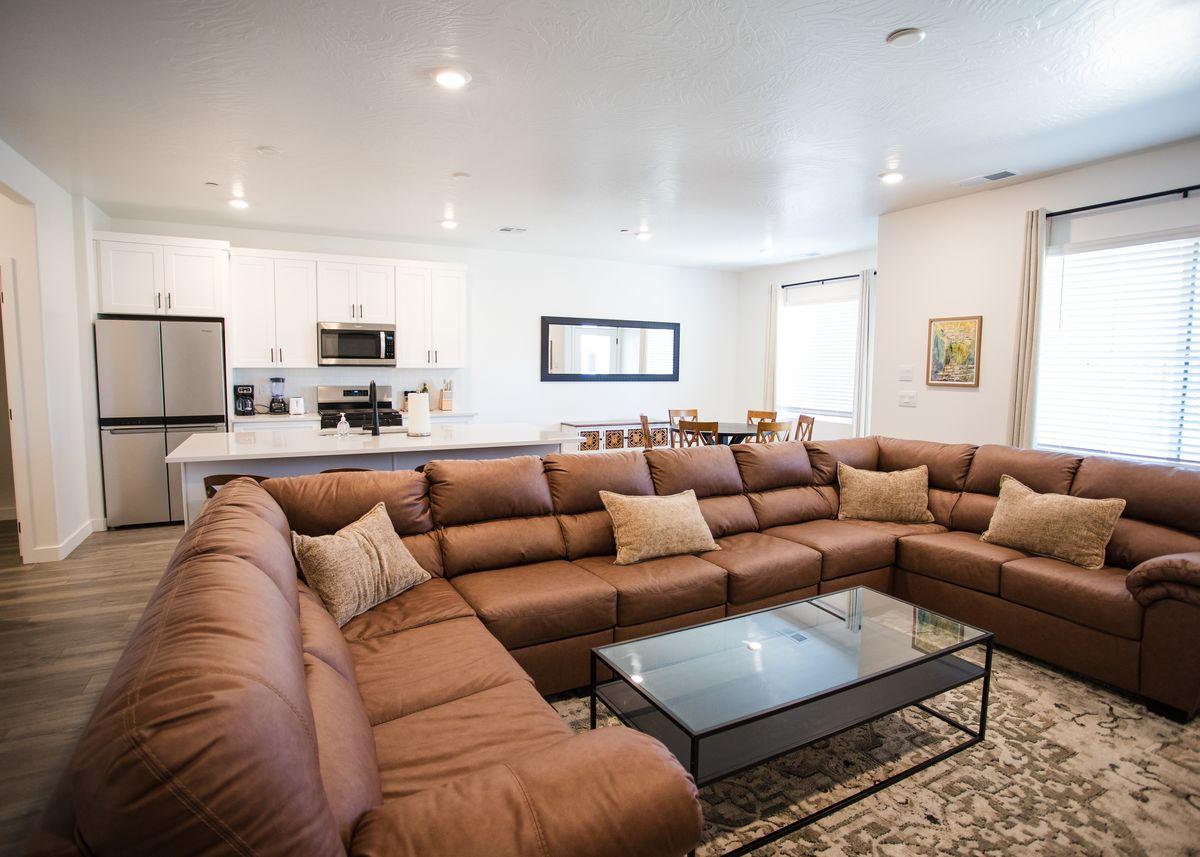
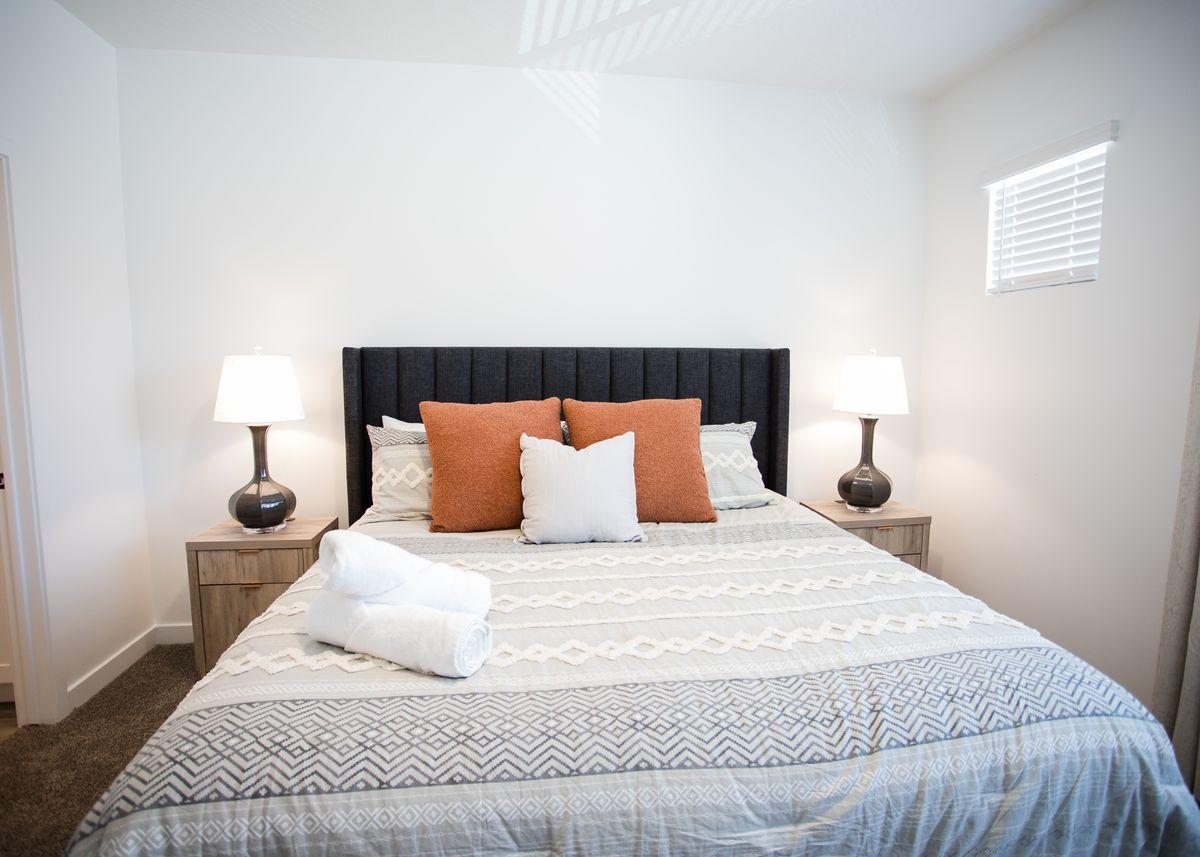
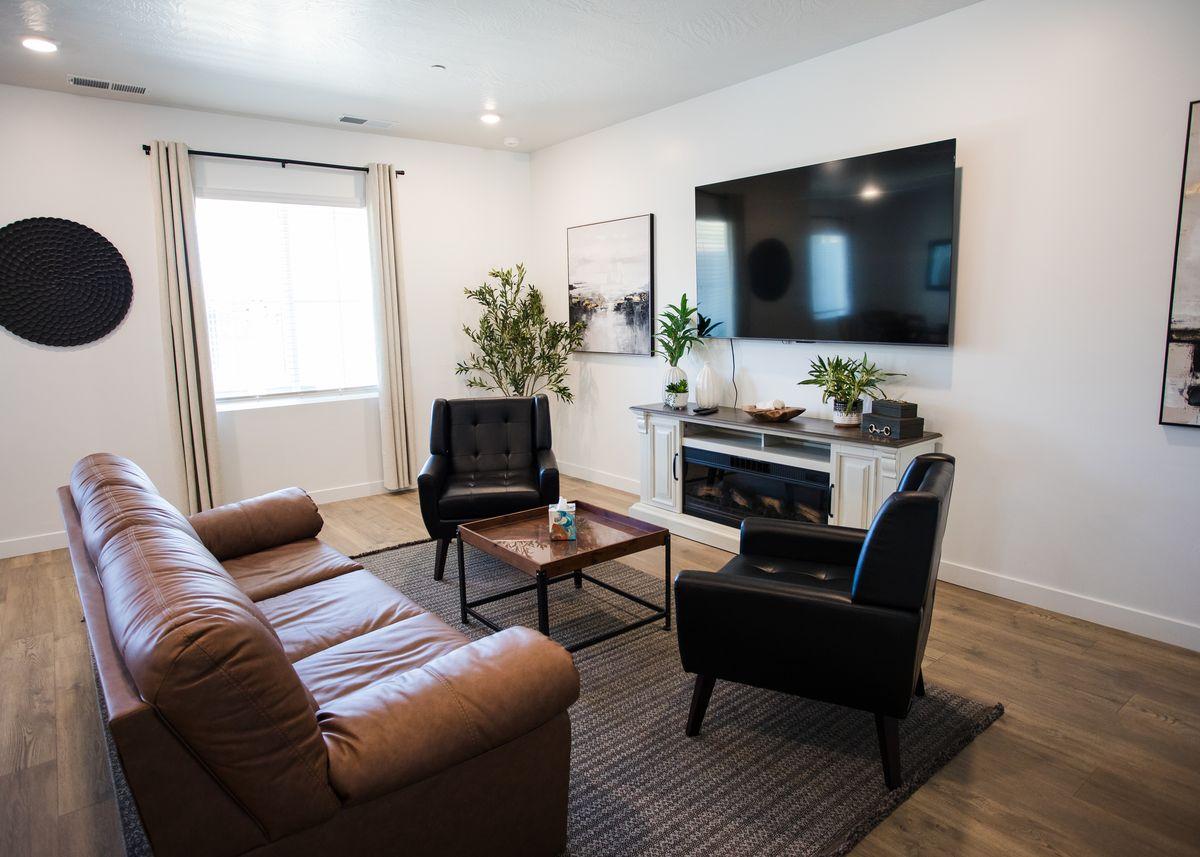
While all of the techniques described in this guide can be practiced at home, there's a compelling case for why immersive residential programs accelerate nervous system healing in ways that outpatient care cannot match. The nervous system heals in the context of environment, relationship, and sustained practice — factors that are extraordinarily difficult to create in daily life while managing work, family, and the same stressors that contributed to dysregulation in the first place.
Community and co-regulation: Healing in community changes the nervous system in ways that solo practice cannot. The shared experience of recovery, witnessed by others who understand from the inside, creates a form of therapeutic resonance. Guests frequently describe the group dynamic as one of the most transformative aspects of their stay.
💡 Clinical Insight Research on intensive outpatient versus residential programs for chronic pain consistently shows that immersive environments produce greater functional improvements at 12-month follow-up. The sustained nature of residential treatment allows for deeper neurological repatterning that holds over time.
Frequently Asked Questions
What are the most effective nervous system healing techniques for chronic pain?
The most effective techniques for chronic pain include somatic experiencing, vagus nerve stimulation exercises, polyvagal-informed breathwork, and mind-body integration therapies.
How long does it take to heal the nervous system?
Nervous system healing is not linear, but most people begin noticing meaningful shifts within 2–4 weeks of consistent, targeted practice. Full nervous system regulation — where the body defaults to a calm, safe state — often takes 3–6 months of dedicated work.
Can nervous system healing techniques help with anxiety and depression?
Yes. Anxiety and depression are often rooted in a dysregulated autonomic nervous system stuck in a chronic threat-response state. Techniques like vagus nerve stimulation, somatic exercises, heart rate variability training, and trauma-informed breathwork directly address this dysregulation.
What is the difference between nervous system regulation and nervous system healing?
Nervous system regulation refers to the ability to shift between arousal states (activated, calm, social) as situations demand — a skill that can be learned and practiced daily. Nervous system healing goes deeper, addressing the underlying structural patterns — trauma imprints, chronic stress responses, and neurological sensitization — that prevent regulation from sticking. True recovery requires both.
Is it possible to heal a nervous system that has been dysregulated for years?
Absolutely. The nervous system is remarkably neuroplastic — meaning it can form new patterns at any age. Even decades of dysregulation can be addressed with the right combination of somatic therapies, lifestyle interventions, and immersive healing environments. The key is working with the body's innate intelligence rather than trying to force or override it.